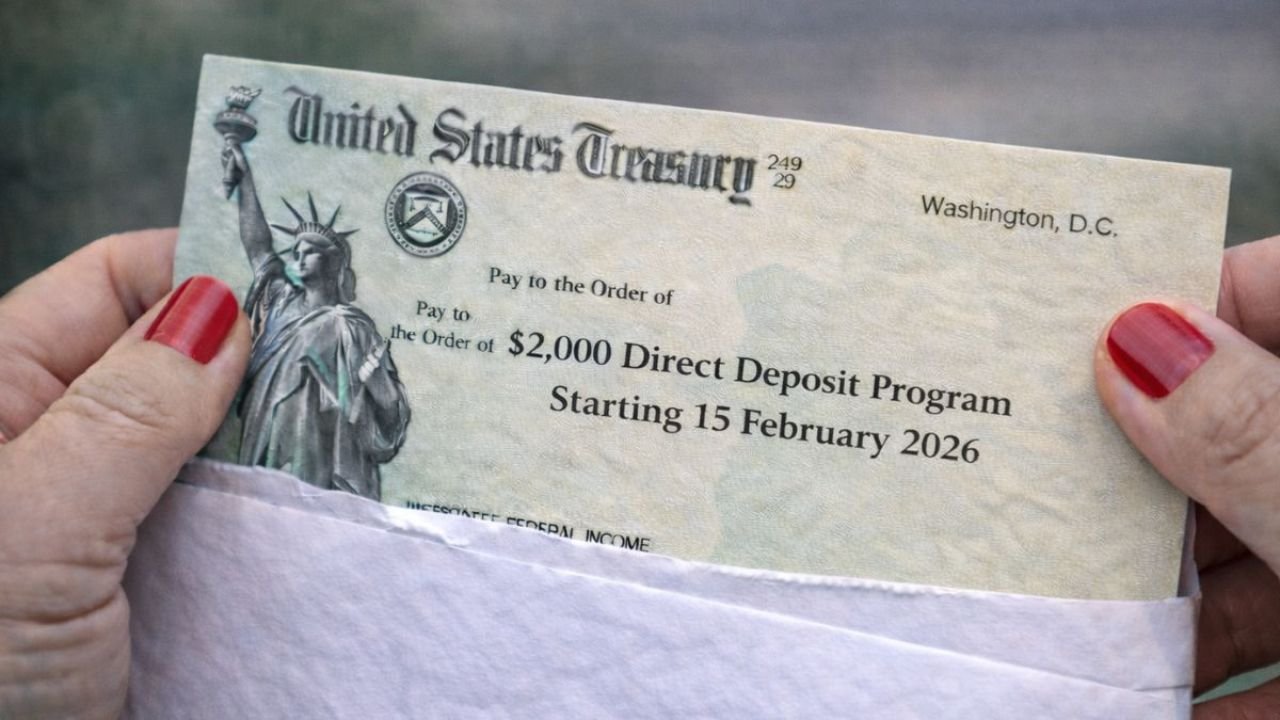
As 2026 begins, conversations about new stimulus checks and surprise IRS deposits are once again trending online. Social media posts, forwarded messages, and viral videos are suggesting that Americans may receive fresh direct payments in February. For many households, the memory of earlier pandemic-era relief programs makes these claims feel plausible.
However, when it comes to federal payments, clarity matters. Before adjusting financial plans or expecting unexpected deposits, it’s important to review what has officially been approved—and what has not.

Here is a clear, fact-based breakdown of the situation.
No New Nationwide Stimulus Has Been Approved
At this time, there is no federally approved stimulus payment scheduled for February 2026.
The large Economic Impact Payments distributed during previous emergency programs have concluded. Individuals who were eligible but did not receive full payments had the opportunity to claim them through the Recovery Rebate Credit during prior tax filing seasons. That window has now closed.

For a new stimulus program to exist, Congress must pass legislation and the President must sign it into law. After that, the Internal Revenue Service would release formal guidance detailing:
- Eligibility requirements
- Payment amounts
- Distribution timelines
- Delivery methods
As of late February 2026, no such legislation has been enacted. There is no active federal program authorizing a universal stimulus payment.
The “Tariff Dividend” Remains a Proposal
Another widely discussed idea is a potential “tariff dividend.” The concept suggests that revenue generated from import tariffs could be redistributed directly to American citizens as a form of dividend payment.

While this proposal has been mentioned in public discussions, it has not been passed into law. There is currently:
- No approved funding mechanism
- No distribution framework
- No official eligibility criteria
- No timeline for implementation
Economic experts have also noted that tariff revenue levels may fluctuate and might not be sufficient to fund large-scale payments to millions of households.
At this stage, the tariff dividend remains a theoretical policy discussion—not an authorized government benefit.
Claims About Spending-Based Payments Are Unverified
Some online posts claim that savings from federal budget cuts could be returned directly to taxpayers in the form of special dividends.
These claims are speculative.
No legislation has established a program that distributes government spending reductions back to citizens as cash payments. Without congressional approval, administrative rules, and official announcements, such claims should be treated with caution.
In financial matters, verified policy is very different from online speculation.
Why Some Americans Are Seeing Deposits in February
Many people reporting deposits in February 2026 are likely receiving standard tax refunds.
The federal tax season typically begins in late January. Individuals who file early, submit accurate returns, and choose direct deposit often receive refunds within a few weeks.
A tax refund is not a stimulus. It simply represents:
- Overpaid federal income tax
- Refundable tax credits
- Adjustments based on final tax liability
For households with credits or higher withholding amounts, refunds can total $2,000 or more. While the amount may resemble prior stimulus figures, it is not a new relief payment.
If you receive a deposit, you can confirm its source by checking your tax transcript or refund status through official IRS channels.
Limited Military Bonuses Do Not Apply to the General Public
In late 2025, certain targeted military bonus programs were authorized under federal law. These programs apply only to specific service members who meet defined criteria.
They are not universal payments and do not extend to the broader population.
Confusion sometimes arises when headlines reference “federal payments,” leading readers to assume broader eligibility. In reality, these bonuses are highly specific and limited in scope.
How to Protect Yourself From Payment Scams
Whenever rumors about stimulus payments circulate, scam activity tends to increase.
Fraudsters may send:
- Emails claiming you qualify for a special payment
- Text messages requesting banking details
- Social media links promising early access
- Fake refund verification forms
It is important to remember:
- The Internal Revenue Service does not initiate contact through unexpected emails or text messages requesting personal data.
- Official payment information is always published on government websites.
- You should never share Social Security numbers, bank account details, or login credentials in response to unsolicited messages.
If in doubt, access information directly through official federal sources rather than clicking on links in forwarded messages.
What Would Happen If a New Stimulus Were Approved?
If lawmakers were to authorize a new federal payment in the future, the process would follow a predictable structure:
- Congress passes legislation.
- The President signs the bill into law.
- The IRS publishes eligibility and distribution guidelines.
- Major financial news outlets and official agencies confirm timelines.
There would be clear public communication and formal documentation—not just social media speculation.
Until that process occurs, any claims of a confirmed February 2026 stimulus should be treated cautiously.
Financial Planning in the Absence of New Stimulus
Without a new federal payment program, households should base their financial decisions on confirmed income, tax refunds, and existing benefits.
Practical steps include:
- Filing taxes early and accurately
- Reviewing withholding amounts
- Monitoring official government updates
- Building emergency savings when possible
Relying on verified information supports smarter budgeting and prevents financial surprises.
Final Word
There is currently no new nationwide stimulus payment approved for February 2026. Proposals such as tariff dividends or spending-based dividends have not been enacted into law. Reports of deposits this month are most likely standard tax refunds or routine benefit payments.
In an era of rapid information sharing, financial literacy and source verification are essential. Always confirm details through official government announcements before adjusting expectations or sharing personal information.
Staying informed through credible channels is the most reliable way to navigate tax season with confidence.