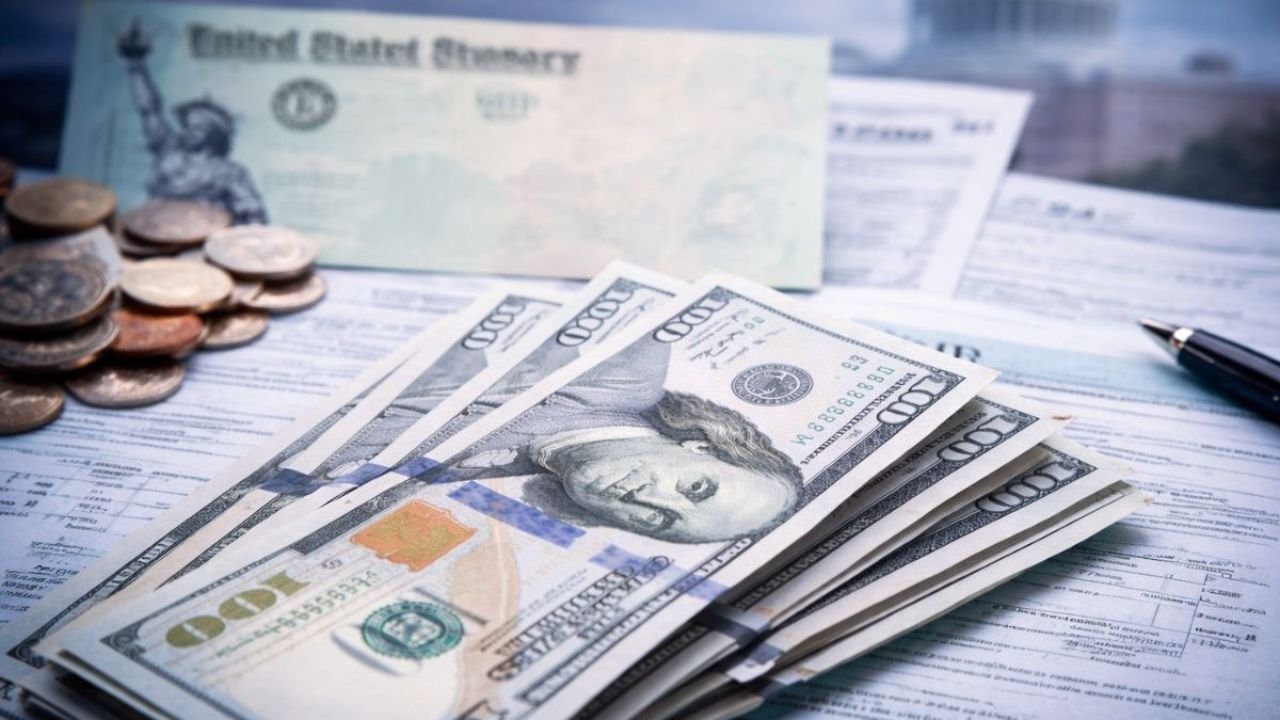
Rumors about a new $1,000 stimulus check in 2026 have gained significant traction across social media platforms and online forums. For households navigating elevated living costs, the idea of another direct payment offers hope and financial breathing room. But before adjusting budgets or making spending plans, it’s essential to separate speculation from verified policy.
Here’s a clear, fact-based look at what’s happening—and what isn’t.
Has a $1,000 Federal Stimulus Been Approved?

As of now, there is no confirmed federal legislation authorizing a nationwide $1,000 stimulus check for 2026.
For a new stimulus payment to become reality, a bill must pass both chambers of Congress and be signed into law by the President. Until that formal process is completed, no direct payments can be issued.
Public discussions among lawmakers or online commentary do not equal official approval. While economic relief proposals are often debated, only enacted legislation creates actual payments.

If a federal stimulus were to be approved, it would be formally announced by the Internal Revenue Service and the U.S. Department of the Treasury, not through unofficial social media posts or viral headlines.
Why Is the $1,000 Number Circulating?
The $1,000 figure isn’t random. There are a few reasons it keeps appearing online:
1. State-Level Relief Programs
Several states have issued tax rebates, surplus refunds, or inflation relief payments in recent years. In some cases, those payments have been close to $1,000 depending on income level or family size.

However, state payments are not federal stimulus checks. They are funded by individual state budgets and only apply to residents who meet specific eligibility criteria.
2. Tax Refund Confusion
Many taxpayers regularly receive federal refunds around or above $1,000, especially if they qualify for refundable credits. When deposits arrive during tax season, some people mistakenly interpret them as new stimulus payments.
In reality, tax refunds are simply returns of overpaid taxes or credits already built into the tax system.
3. Economic Speculation
When inflation pressures households, conversations about potential government relief naturally intensify. Online creators sometimes amplify unconfirmed possibilities to attract attention, which can unintentionally blur the line between discussion and confirmed policy.
Stimulus Checks vs. Tax Refunds: Understanding the Difference
Confusion between stimulus payments and tax refunds is one of the biggest drivers of misinformation.
Stimulus Checks
- Issued during national economic emergencies
- Require new legislation
- Not based solely on taxes owed or overpaid
- Designed as temporary economic relief
Tax Refunds
- Part of the normal annual tax process
- Based on tax withholding and credits
- Occur every year
- Do not require special legislation
Stimulus payments are extraordinary measures. Refunds are routine financial transactions within the existing tax framework.
Could Any Financial Relief Happen in 2026?
While there is no confirmed nationwide stimulus check, targeted financial assistance programs may still exist in certain areas.
These could include:
- State tax rebates
- Child or family credits
- Utility or housing assistance
- Income-based support programs
Eligibility, payment size, and availability vary by state and income level. These programs should not be confused with universal federal stimulus checks.
If economic conditions were to deteriorate significantly, lawmakers could consider relief measures. However, until formal legislation is introduced and passed, such possibilities remain speculative.
Why Stimulus Rumors Spread So Quickly
Financial uncertainty increases demand for hopeful news. Rising housing costs, healthcare expenses, and everyday living pressures have made many families more sensitive to any talk of relief.
Online platforms reward high-engagement content. Posts promising fast cash or guaranteed payments naturally attract attention—even when the information is incomplete or inaccurate.
In times of economic strain, optimism travels faster than policy.
How to Protect Yourself From Stimulus Scams
Whenever stimulus rumors trend, scam attempts tend to follow.
Fraudsters may:
- Send messages claiming you must “register” for a payment
- Request banking details to “process” your deposit
- Ask for Social Security numbers via email or text
- Share fake links that mimic government websites
Official government agencies do not randomly contact individuals requesting sensitive information to release payments.
To stay protected:
- Only use official government websites
- Never share financial or identity details through unsolicited messages
- Avoid clicking unfamiliar links
- Verify announcements directly from federal or state agencies
Financial awareness is just as important as financial relief.
What Taxpayers Should Focus on Instead
Rather than waiting for unconfirmed payments, households can strengthen their financial position in more reliable ways:
File Taxes Accurately and On Time
Ensure all eligible credits and deductions are claimed.
Review Withholding
Adjust payroll withholding if you consistently receive large refunds or owe money each year.
Monitor State Benefits
Check whether your state offers rebates, credits, or assistance programs.
Build a Cash Buffer
Even small, consistent savings contributions can create resilience against unexpected expenses.
Proactive financial planning delivers more stability than relying on unverified stimulus discussions.
The Bottom Line
At this time, there is no confirmed $1,000 federal stimulus check for 2026.
While discussions about economic relief may continue, only passed legislation can authorize direct payments. Until then, any claims of guaranteed deposits should be viewed with caution.
Staying informed through official government sources and focusing on existing financial opportunities remains the smartest strategy.
In a fast-moving digital landscape, clarity is powerful. Verified information protects both your expectations and your finances.